
Workplace culture
Workplace culture workshops for teams
- Tailored after a scoping call
- In person or remote
- Teams and leaders
- Behaviours, not slogans
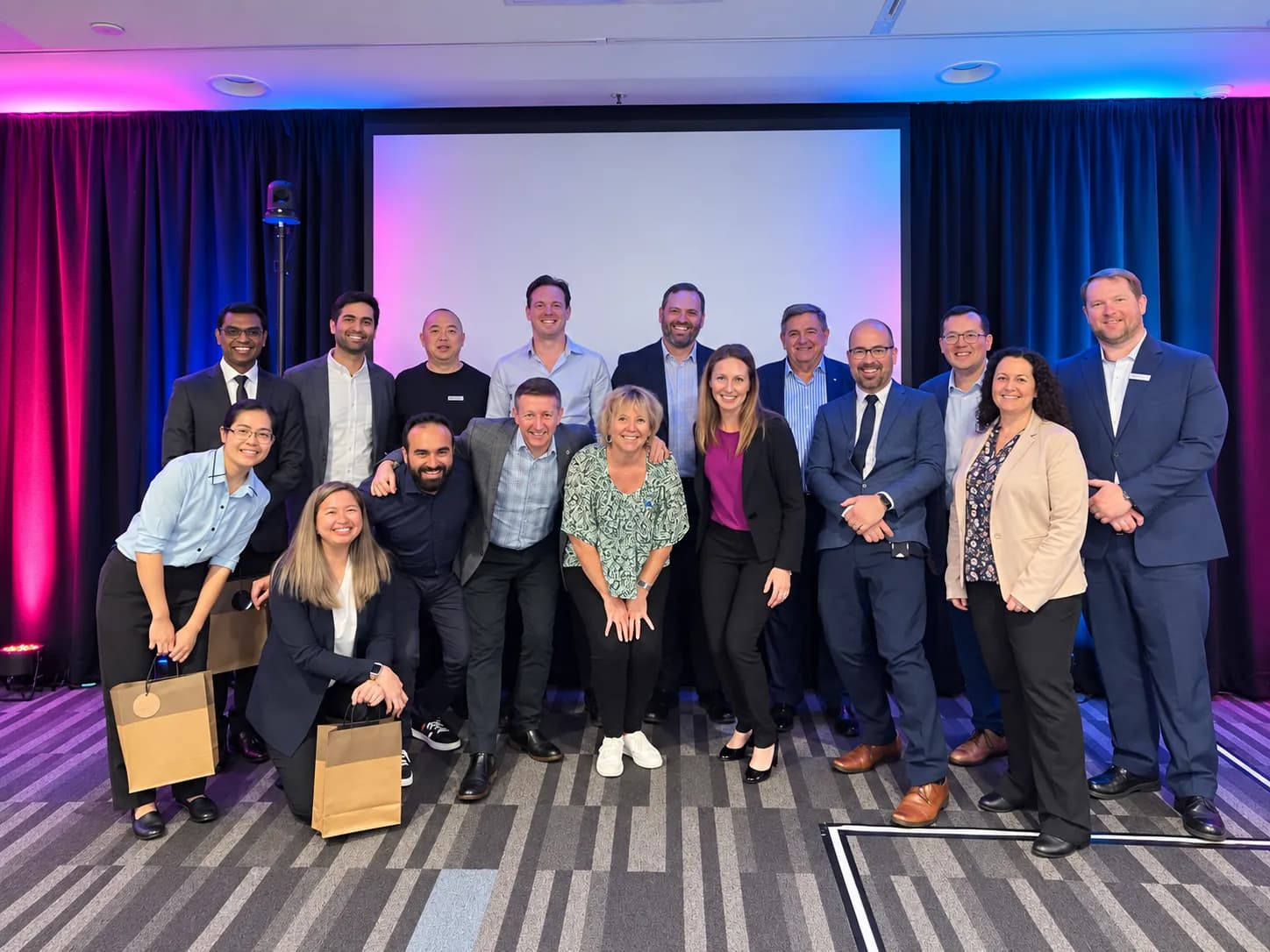
Culture is what people do when nobody is watching and nobody has told them what to do. It is the pattern of behaviours a team repeats because those behaviours have been rewarded, tolerated or modelled. Values statements describe the culture an organisation wants. Behaviour describes the one it has. The gap between the two is where most culture work should start.
Collective Campus runs workplace culture workshops for teams and leadership groups across Australia. The focus is practical: naming the specific behaviours that help or hurt the team's work, understanding why those behaviours persist, and agreeing a small set of team norms and rituals that people will actually keep. The work connects closely to psychological safety and high-performance teams, and it treats culture as a capability a team builds, not a poster it signs.
Good culture work is also honest about its limits. A workshop can create clarity, commitment and momentum. Lasting change comes from what leaders and teams do in the weeks and months that follow, which is why every Collective Campus culture program includes a clear plan for what happens after the session, and a way to check whether it is working. The aim throughout is a culture the team recognises as its own, described in its own words, and strong enough to survive busy periods and changes of leadership.
Quick answer
A workplace culture workshop helps a team or leadership group see its current culture clearly, agree the behaviours that matter for its work and design the norms, rituals and leadership habits that reinforce them. Good culture workshops use evidence from the team (surveys, stories, observed behaviour), focus on a few specific behaviours rather than abstract values, and finish with commitments that leaders model and the team reviews. Collective Campus tailors every culture workshop after a scoping call, with no fixed format, length or group size, and does not publish prices.
What workplace culture actually is
Culture is often described as "the way we do things around here." That is a useful start but not precise enough to change anything. A more workable definition breaks culture into layers:
- Behaviours: what people actually do, say and avoid. This is the visible layer and the one a team can change most directly.
- Norms: the unwritten rules about which behaviours are expected, acceptable or risky. Whether people speak up in meetings, answer messages at night or challenge a senior colleague are all governed by norms.
- Systems: the processes, incentives, meeting rhythms, performance reviews and decision rights that make some behaviours easier than others.
- Beliefs and assumptions: what people believe about how success is achieved, what leaders really want and what happens to people who make mistakes.
Values sit across all of these, but they only matter when they show up in behaviour and systems. A team that says it values collaboration while rewarding only individual targets has a culture of individual targets.
Why teams invest in culture work
Teams usually seek out a culture workshop for one of these reasons:
- Engagement or survey results have dropped and leaders want to understand what sits behind the numbers.
- A merger, restructure or new leader has brought together people with different ways of working.
- Hybrid work has changed how the team connects, and old habits no longer fit.
- Psychosocial risk is now a compliance issue. Work health and safety laws require employers to manage psychosocial hazards such as poor workplace relationships, low role clarity and high job demands. Culture is a big part of how those hazards arise or are prevented.
- Strategy needs different behaviour. A push for innovation, customer focus or AI adoption fails if the culture punishes experiments, protects silos or rewards busywork.
- Values have become wallpaper. People can recite them but cannot point to how they change a decision.
- Specific behaviours are causing harm, such as meetings dominated by a few voices, conflict avoided until it explodes, or blame when things go wrong.
What a culture workshop covers
Each workshop is built from the team's own situation. Collective Campus draws on these building blocks.
1. Seeing the current culture honestly
Teams start by gathering evidence about how they really work. That can include short anonymous surveys, stories of recent moments that went well and badly, observations of meetings and decisions, and existing engagement or pulse data. The aim is a fair picture, not a verdict. Facilitators help the group separate patterns from one-off incidents.
2. Naming the say-do gap
The group compares its stated values with observed behaviour. Where does the team live its values, and where does it fall short? This conversation can be uncomfortable, which is why the workshop is designed with the safety to have it. The output is a short list of gaps the team agrees matter most.
3. Translating values into behaviours
Abstract values are rewritten as specific, observable behaviours. "Respect" might become "we start and end meetings on time, and we let people finish their point." "Ownership" might become "if you find a problem, you either fix it or hand it to someone by name." Behaviours that can be seen can be coached, recognised and reviewed.
4. Understanding why behaviours persist
Every persistent behaviour is being sustained by something: a system, an incentive, a leadership habit or an old belief. Teams map the forces that keep current behaviours in place, so the fixes target causes rather than symptoms.
5. Designing team norms and agreements
The team writes a small set of working agreements covering how it meets, decides, communicates, disagrees and supports each other. The best agreements are short, specific and written in the team's own words. They are also reviewed regularly, not filed away.
6. Rituals that reinforce the culture
Culture is reinforced by repeated moments: how meetings open, how wins are recognised, how mistakes are discussed, how new people are welcomed. Teams design or redesign a few rituals that make the desired behaviours routine.
7. Leaders as culture carriers
People watch what leaders do far more closely than what they say. Leaders in the room identify the signals they send through their attention, reactions, decisions and use of time, and agree the specific habits they will model. This is often the most powerful part of the program.
8. Handling conflict and feedback
Healthy cultures are not conflict-free. They disagree well. Teams practise giving and receiving feedback, raising concerns early and handling disagreement about ideas without making it personal.
9. Culture in hybrid and distributed teams
When people are not in the same place, culture has to be designed more deliberately. Teams agree how they share information, include remote colleagues fairly, protect focus time and stay connected without endless meetings.
10. Keeping culture work alive
The workshop ends with a review rhythm, simple measures and named owners. Culture changes over months, so the team agrees how it will check in on its agreements, celebrate progress and adjust when something is not working.
The connection between culture and psychological safety
Psychological safety, the belief that it is safe to speak up, ask questions, admit mistakes and challenge ideas, is one of the strongest foundations of a healthy team culture. Without it, culture work tends to produce agreements nobody feels safe to hold others to. Many organisations combine a culture workshop with psychological safety training, so the team builds both the norms and the safety to keep them.
Culture, innovation and change
Strategy documents often ask for more innovation, faster adoption of technology or better customer focus. Those goals depend on behaviours: trying new things, sharing early ideas, learning from failure and working across silos. When the culture punishes those behaviours, the strategy stalls. Collective Campus has been building innovation capability in teams since 2015, and the lesson from that work is consistent: methods and tools only stick when the culture allows people to use them.
The same is true of AI adoption. Teams in cultures where experimenting is risky tend to hide their AI use or avoid it altogether. Teams in cultures where it is safe to experiment, share what worked and admit what did not tend to learn faster and use AI more responsibly.
Culture work in Australian organisations
Psychosocial risk obligations. Since recent changes to work health and safety regulations across Australian jurisdictions, employers have explicit duties to identify and manage psychosocial hazards. Culture workshops are not a compliance program on their own, but they help teams address many of the underlying causes, such as poor relationships, unclear roles and low recognition.
Respect at work. The positive duty under the Sex Discrimination Act requires employers to take proactive steps to prevent workplace sexual harassment and related conduct. Culture, norms about speaking up and leadership behaviour are central to meeting that duty.
Public sector values. Government teams often work within formal values frameworks, such as those published by the Australian Public Service Commission and state equivalents. Culture workshops can help teams turn those frameworks into everyday behaviour.
Mergers and restructures. Australian organisations frequently restructure, and culture is usually the most underestimated part of integration. Workshops help combined teams surface differences early and design shared ways of working.
Common culture work mistakes
- Starting with values, not behaviour. New values statements rarely change anything on their own.
- Leaders excluded or exempt. If leaders do not model and are not held to the agreements, nothing changes.
- Too many priorities. Ten new behaviours is a wish list. Two or three is a plan.
- No link to systems. If meeting rhythms, incentives and decision rights stay the same, behaviour usually does too.
- One event and done. Culture is built through repetition, so there needs to be a rhythm of review.
- Unsafe conversations. If people do not feel safe being honest about the current culture, the workshop produces polite fiction.
A hypothetical example of a team agreement
The following is illustrative only, to show the level of specificity that works.
*How we meet:* every meeting has a purpose and a decision or output. If it does not, it becomes a message. Cameras on for small group discussions, optional for large updates. The person chairing makes sure everyone has spoken before a decision.
*How we decide:* we say upfront who decides and how. Disagreement is welcome before a decision; commitment is expected after it.
*How we communicate:* urgent issues by phone, everything else in the team channel. No expectation of replies outside working hours unless agreed.
*How we handle mistakes:* we raise problems as soon as we see them. We ask what happened and what we learned before we ask who did it.
*How we recognise each other:* every fortnightly team meeting starts with a shout-out for someone who lived one of our agreements.
An agreement like this is short enough to remember, specific enough to notice when it is broken, and owned by the team because the team wrote it.
Who culture workshops are for
- Leadership teams wanting to align on the culture they model.
- Teams forming after a merger, restructure or rapid growth.
- Teams with a specific culture problem, such as low trust, conflict or silos.
- Functions preparing for a major change, including AI adoption, where new behaviours are needed.
- HR, people and culture teams who want a practical method they can run with other teams.
Questions that reveal a team's real culture
Before any workshop, it helps to ask a few honest questions. These are the kinds of prompts Collective Campus uses in discovery, often anonymously.
- What gets you noticed and praised in this team? What gets you quietly sidelined?
- When someone makes a mistake, what usually happens next?
- Who speaks most in meetings, and who rarely speaks?
- If you disagreed with your manager in front of others, how would that go?
- How are decisions really made here, as opposed to how they are supposed to be made?
- What do new starters find most surprising in their first few weeks?
- What would you change about how we work if you could change one thing?
- Which of our values do we live best, and which least?
- When was the last time this team tried something new? What happened?
- How do you find out what is going on: formal channels or the grapevine?
- What do people complain about privately but never raise openly?
- How does it feel to work here at the end of a hard week?
Patterns in the answers are more important than any single response. Themes that appear across levels and roles usually point to the behaviours the workshop should focus on.
Culture across the employee lifecycle
Culture is reinforced, or undermined, at every stage of someone's time in a team. A useful exercise in the workshop is to look at each stage and ask what message it sends.
Recruitment. What does the team look for in candidates, and what does the interview process signal about how work is done? A team that says it values diverse thinking but hires people exactly like its current members sends a clear message.
Onboarding. New people learn the real culture in their first weeks, mostly by watching. A deliberate onboarding experience that explains the team agreement and introduces the rituals helps new people adopt the intended culture rather than guess.
Everyday work. Meeting rhythms, decision processes, workloads and communication habits are where culture lives most of the time. Small changes here often have more effect than large initiatives.
Performance and recognition. What is measured, discussed and rewarded tells people what really matters. If performance conversations focus only on outputs, behaviours like helping colleagues or raising risks early will fade.
Promotion. Who gets promoted is one of the loudest culture signals in any organisation. People notice whether promotions reward the behaviours in the values statement or something else.
Exit. How people leave, and what is learned from their departure, says a lot about how the team treats people. Exit conversations are also a valuable, often ignored, source of culture data.
Leadership habits that shape culture
Leaders shape culture most through small, repeated actions. These are the habits that tend to matter most, and they are the focus of the leadership part of the program, which can extend into a broader leadership development workshop.
- Where attention goes. What leaders ask about in meetings and one-on-ones tells people what matters.
- How they react to bad news. A calm, curious response to a problem invites people to raise problems early. A sharp response teaches people to hide them.
- How they use time. Leaders who protect focus time, start meetings on time and avoid late-night messages give their teams permission to do the same.
- How they make decisions. Being clear about who decides, and explaining the reasoning, builds trust even when people disagree.
- How they admit mistakes. Leaders who name their own errors make it safe for others to do so.
- Who they recognise. Public recognition of the right behaviours, not just results, reinforces the culture the team wants.
- What they tolerate. The culture of a team is often defined by the worst behaviour its leader is willing to tolerate. Addressing that behaviour, fairly and promptly, is one of the most powerful culture actions available.
Formats (shaped after a scoping call)
Every program is tailored after a scoping call, so there is no fixed length, headcount or package. What changes from one organisation to the next is the mix of the elements below, chosen to fit the outcome the team needs and the real constraints on its time.
- Focused workshop. A single facilitated session built around one live problem the team brings into the room. Best when the goal is a shared language, a quick diagnosis and a small number of agreed next steps.
- Workshop series. A sequence of shorter sessions spaced out so people apply each idea at work between sessions and bring back what happened. Best when the goal is behaviour change rather than awareness.
- Applied program. Training combined with a real piece of work: a service, process or team challenge the group moves forward while learning. Best when leaders want a visible result, not just a completion record.
- Leadership session plus team rollout. Leaders go first so they can model the behaviour and remove blockers, and then teams follow with sessions that reflect what leaders agreed.
- Coaching and follow-up. Check-ins, clinics or office hours after the formal sessions so teams get help when they hit the hard part of applying the method.
- In person, remote or hybrid. Delivered on site in Sydney, Melbourne, Brisbane and other Australian cities, or live online for distributed teams. Remote sessions are designed for remote work rather than a slide deck streamed over video.
The scoping call covers who is in the room, what is already in place, what success looks like in practical terms and what would get in the way. The design follows from those answers.
What teams leave with
- An honest, shared picture of the current culture, grounded in evidence.
- A short list of the behaviours that matter most for the team's work.
- Values translated into observable behaviours that can be coached and recognised.
- A clear view of the systems and habits keeping unhelpful behaviours in place.
- A team agreement written in the team's own words.
- Rituals that make the desired behaviours routine.
- Specific leadership commitments that leaders will model.
- A review rhythm and simple measures so the work continues.
How to tell whether it worked
Agree a few practical measures before the program starts, so success is judged on evidence rather than on how the session felt. Useful measures for this topic include:
- Behaviour frequency. How often the agreed behaviours are seen in meetings and decisions, checked through short team retrospectives.
- Pulse survey items. A handful of targeted questions on trust, voice, clarity and recognition, tracked over time.
- Speaking up. Whether more people contribute in meetings and raise issues earlier.
- Conflict handling. Whether disagreements are resolved more quickly and with less escalation.
- Retention and wellbeing indicators. Unplanned turnover, leave patterns and wellbeing data, interpreted with care.
- Agreement reviews held. Whether the team actually reviews its agreements at the agreed rhythm.
- Leadership habits. Whether leaders follow through on the commitments they made, as seen by their teams.
- Cross-team collaboration. Feedback from other teams on how easy this team is to work with.
Why capability building beats one-off training
Most training fails for a simple reason: people learn something in a room, return to a full inbox and an unchanged system, and within a few weeks behaviour drifts back to where it started. The research on learning transfer has said this for decades. What predicts whether learning sticks is less about the quality of the session and more about what happens around it: whether leaders expect and reinforce the new behaviour, whether people get to apply it immediately on real work, and whether the system they work in makes the new way easier rather than harder.
Collective Campus designs for transfer from the start. That means working on live problems rather than case studies from other companies, involving leaders so they can reinforce the change, building in practice and follow-up between sessions, and agreeing practical measures upfront. It also means being honest when training is not the answer. Sometimes the real blocker is a policy, an incentive or a system, and the most useful thing a scoping call can do is name it.
The difference shows up in what teams say afterwards. A one-off session produces "that was interesting." A capability building program produces "this is how we work now," along with the evidence of a changed process, a fixed journey or a decision made differently.
Comparing provider types
Culture work is offered by many kinds of provider. The general comparison below describes provider types, not individual firms.
- Capability building provider such as Collective Campus. Typically strong at: Practical team workshops tied to real work, norms and leadership habits. Watch out for: Requires leaders to participate and follow through. Best fit when: You want behaviour change in specific teams, linked to performance and change.
- Large consultancy. Typically strong at: Organisation-wide culture diagnostics and transformation programs. Watch out for: Long timelines, distance from frontline teams. Best fit when: You need an enterprise-wide program with extensive measurement.
- Culture specialist boutique. Typically strong at: Deep culture frameworks and diagnostics. Watch out for: Can rely on a single proprietary model. Best fit when: You want a specific framework applied across the organisation.
- Team building or events company. Typically strong at: Social connection and shared experiences. Watch out for: Fun but rarely changes behaviour at work. Best fit when: The goal is connection rather than behaviour change.
- Executive coach. Typically strong at: Individual leader behaviour. Watch out for: Limited reach to team norms and systems. Best fit when: One leader's behaviour is the main issue.
Decision checklist: choosing a provider
Use these questions when comparing providers. A strong provider will answer most of them clearly before any proposal is written.
- Does the provider start from our evidence or from their framework?
- Will the workshop name specific behaviours, not just values?
- How will leaders be involved, and will they model the commitments?
- How does the design link culture to systems, incentives and meeting rhythms?
- How will psychological safety be created for honest conversations?
- What will the team have at the end, in writing?
- How will progress be reviewed and measured?
- Does the provider understand Australian psychosocial and positive duty obligations?
- Can the work be delivered for hybrid or distributed teams?
- Can the provider show relevant, real experience?
- Will our HR team be able to run parts of it again?
- Is the program tailored after a scoping call rather than sold off the shelf?
How Collective Campus scopes and runs a program
Collective Campus has been running capability building programs for teams in large organisations since 2015. The approach is the same whatever the topic.
- Scoping call. A conversation with the sponsor, and often with a few people from the team, about the outcome, the context and the constraints. Nothing is proposed before this call, because a generic proposal would be guessing.
- Discovery. Where it helps, short interviews or a brief survey with participants so the content reflects their real work and the language they use.
- Design. Content, exercises and examples are built around the team's own situations. Generic case studies are kept to a minimum; the team's live work is the main material.
- Delivery. Highly practical, facilitated sessions where most of the time is spent doing rather than listening. Participants leave with things they made, not just notes.
- Application. Agreed actions, owners and a simple way to check progress, so the work continues after the facilitators leave.
- Review. A debrief with the sponsor on what changed, what got stuck and what the team needs next.
Pricing, format and timing are all discussed after the scoping call, once both sides understand what the work actually involves.
Preparing for a program
A little preparation makes a large difference to the result.
- Name a sponsor. Someone senior enough to remove blockers and to ask about progress afterwards.
- Pick real work. Bring a live problem, journey, project or decision the team actually needs to move. Abstract exercises produce abstract results.
- Tell participants why. People engage more when they know why they are there and what will be different afterwards.
- Protect the time. Sessions interrupted by email and calls produce half the value. Agree that the time is protected.
- Plan the week after. Book the first follow-up action before the program starts, so momentum is not lost.
- Gather what already exists. Data, feedback, previous reviews and earlier attempts all help tailor the content.
Key terms
- Organisational culture: The shared behaviours, norms, beliefs and systems that shape how work gets done.
- Team norms: Unwritten or written rules about expected behaviour within a team.
- Say-do gap: The difference between stated values and actual behaviour.
- Working agreement: A short, written set of team commitments about how members work together.
- Ritual: A repeated team practice that reinforces a behaviour or value.
- Psychological safety: A shared belief that it is safe to take interpersonal risks such as speaking up or admitting mistakes.
- Psychosocial hazard: A work-related factor that may cause psychological harm, such as poor relationships or high demands.
- Positive duty: The legal obligation on Australian employers to take proactive steps to prevent sexual harassment and related conduct.
- Culture carrier: A person, often a leader, whose behaviour strongly signals what the culture really values.
- Pulse survey: A short, frequent survey used to track specific aspects of culture over time.
- Retrospective: A regular team review of what worked, what did not and what to change.
- Subculture: A distinct culture within a team or function that differs from the wider organisation.
- Culture debt: Accumulated unhelpful habits and norms that slow a team down and are costly to change.
Culture work in specific situations
The same principles apply everywhere, but the emphasis changes with the situation the team is in.
After a merger or restructure. The biggest risk is assuming the combined team will settle into a shared culture on its own. In practice, people hold on to the habits of their old team, and small differences in how meetings run, how decisions are made or how much autonomy people expect create friction. The workshop surfaces these differences early, treats both histories with respect and designs shared agreements the combined team owns.
During rapid growth. When a team doubles in size, the informal culture that worked with a small group stops scaling. Things that were known by everyone now need to be written down, and rituals that relied on everyone being in one room need redesigning. The focus is on making the culture explicit enough for new people to adopt it quickly.
After a crisis or a difficult period. Teams that have been through a crisis, such as a major incident, a public failure or a period of heavy redundancies, often carry fatigue and lowered trust. Culture work here starts with acknowledgement and recovery before moving on to new agreements. Pushing too quickly towards a positive future can feel dismissive.
With a new leader. A new leader has a short window in which the team watches closely to see what kind of culture they will create. A culture workshop early in that period helps the leader learn the existing culture, signal what they value and agree shared expectations openly rather than leaving the team to guess.
When adopting AI and new technology. New tools change how work is done, who does it and what skills matter. Teams can feel anxious about relevance and job security, or excited and keen to experiment. Culture work helps the team agree how it will experiment safely, share what it learns, protect quality and support people whose roles are changing. Collective Campus often combines culture work with practical AI capability building for exactly this reason.
In hybrid teams. The hardest culture problems in hybrid teams are usually fairness and connection: whether remote colleagues get the same voice, information and opportunities, and whether the team still feels like a team. Agreements about meetings, communication channels and in-person time make the biggest difference here.
Where workload and meetings are getting in the way, time management and productivity training can help. See how Collective Campus worked with Stuart, ON Running and Charter Hall.
Early signs a team culture is improving
Culture change is slow, but early signs usually appear well before survey results move. Watch for these:
- People raise problems earlier and more openly, including in front of senior colleagues.
- Meetings include more voices, and quieter members contribute without being asked twice.
- Disagreements are about ideas rather than people, and they end in decisions.
- Mistakes are discussed in terms of what was learned, and the same mistakes are not repeated.
- New starters describe the team in terms that match its agreements.
- Other teams comment that the team is easier to work with.
- Team members refer to their agreements in everyday conversation, sometimes with humour, which is a strong sign they have been genuinely adopted.
- Leaders are reminded of their own commitments by the team, and respond well.
When these signs appear, they are worth naming and celebrating. Recognising progress reinforces it, and it helps the team stay committed through the slower parts of the change.
Talk to Collective Campus
If the team's culture is holding back its performance, wellbeing or strategy, start with a short scoping call. The conversation covers what is happening, what the team needs and what a useful outcome would look like. Book a scoping call.
Frequently asked questions
- What is a workplace culture workshop?
- It is a facilitated session where a team examines how it really works, names the behaviours that matter most, and agrees norms, rituals and leadership habits that reinforce them.
- How long is a culture workshop?
- There is no fixed length. Collective Campus tailors each program after a scoping call, depending on the team, the issues and whether the goal is a single reset or a longer change.
- How much does culture training cost?
- Collective Campus does not publish prices. Pricing is discussed after a scoping call, once the scope is clear.
- Can you change culture with a workshop?
- A workshop alone rarely changes culture. It can create a shared picture, specific commitments and a plan. The change comes from leaders modelling the behaviours and the team reviewing its agreements over time, which is why follow-up is built in.
- Should leaders attend culture workshops?
- Yes. Leaders are the strongest signal of what the culture really values. Many programs begin with the leadership team before rolling out to wider teams.
- How does culture relate to psychological safety?
- Psychological safety is a foundation of healthy culture. Without it, people will not be honest about the current culture or hold each other to agreements.
- Does culture work help with psychosocial hazard obligations?
- It can help address many underlying causes, such as poor relationships, low recognition and unclear roles. It does not replace a formal risk management process.
- Can culture workshops be run remotely?
- Yes. Remote and hybrid sessions are designed for distributed teams, and culture in hybrid work is often a topic in its own right.
- What is the difference between culture work and team building?
- Team building focuses on connection and shared experience. Culture work focuses on the behaviours, norms and systems that shape everyday work.
- Where does Collective Campus run culture workshops?
- In Sydney, Melbourne, Brisbane and other Australian cities, and live online.
Tell us about your team
A short scoping call is the next step. You can also send a note about what the team is working on.