
The number one driver of high-performing teams.Most teams don't have it.
Google studied 180 teams and found one thing mattered most: whether people felt safe to speak up. This workshop builds that candour, risk-taking and learning, without ever lowering the bar.
- Half day or 1 day
- In person or remote
- Teams and leaders
- Tailored
◆ We've built capability for teams at ◆
.jpeg)

.png)

.png)




.jpeg)
.png)


.png)
The problem
The smartest people in the room say nothing.
Silence in the room
People hold back ideas, questions and concerns rather than risk looking foolish.
Mistakes stay hidden
Problems fester because it is not safe to admit them early.
Innovation stalls
No one risks the half-formed idea that could have been the breakthrough.
Nice is not safe
Teams mistake comfort for safety, avoid hard conversations, and let standards slip.
What you'll walk away with
By the end, your team will have
- A shared, precise understanding of what psychological safety is, and what it is not
- A read on where your team sits today, on safety and on standards
- Edmondson's three moves: set the stage, invite participation, respond productively
- The language to disagree, challenge and admit mistakes without fear
- A concrete plan to build safety while keeping standards high
What we cover
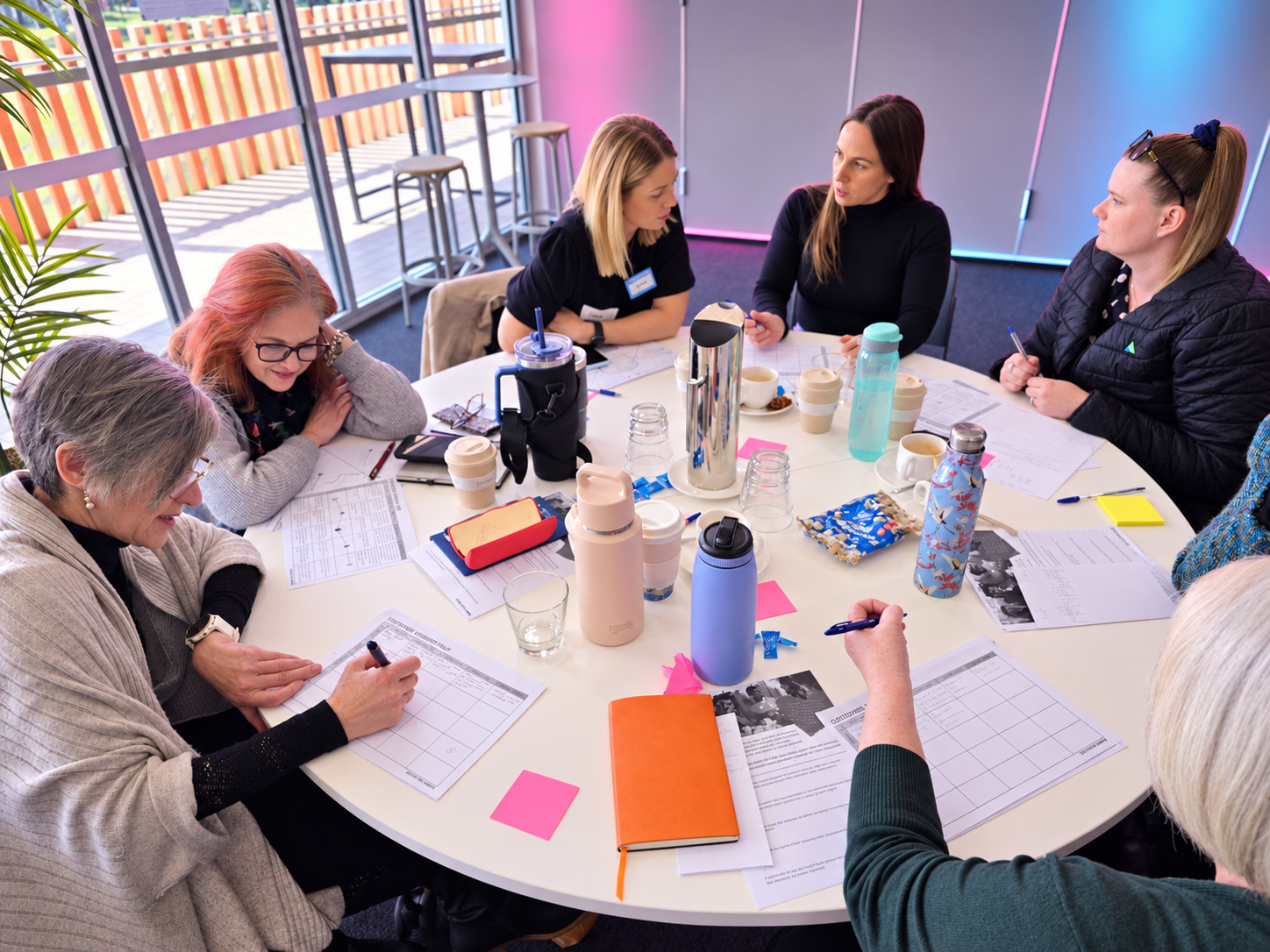
The flow of the day
- 01
The evidence
Edmondson's research and Google's Project Aristotle. Why safety drives performance.
- 02
Safety is not niceness
The learning zone, where high safety meets high standards.
- 03
Diagnose your team
Use Edmondson's assessment to see where your team really stands.
- 04
The leader's role
The three-step framework in practice: modelling curiosity and fallibility.
- 05
Practising candour
Structured tools for feedback, dissent and admitting error, used live.
Who it's for
Who should be in the room
Bring the whole team. Safety cannot be built by one person in isolation.
Team leaders and managers
The people who set the tone. Safety starts with them.
Intact teams
Best done together. It is a shared, team-level capability.
Leadership groups
Executives building a culture that scales beyond one team.
Format and logistics
How it runs
Duration
Half-day primer or 1-day deep dive.
Delivery
In person or purpose-built remote.
Best with
An intact team or leadership group.
Tailoring
Shaped to your team's real dynamics and challenges.
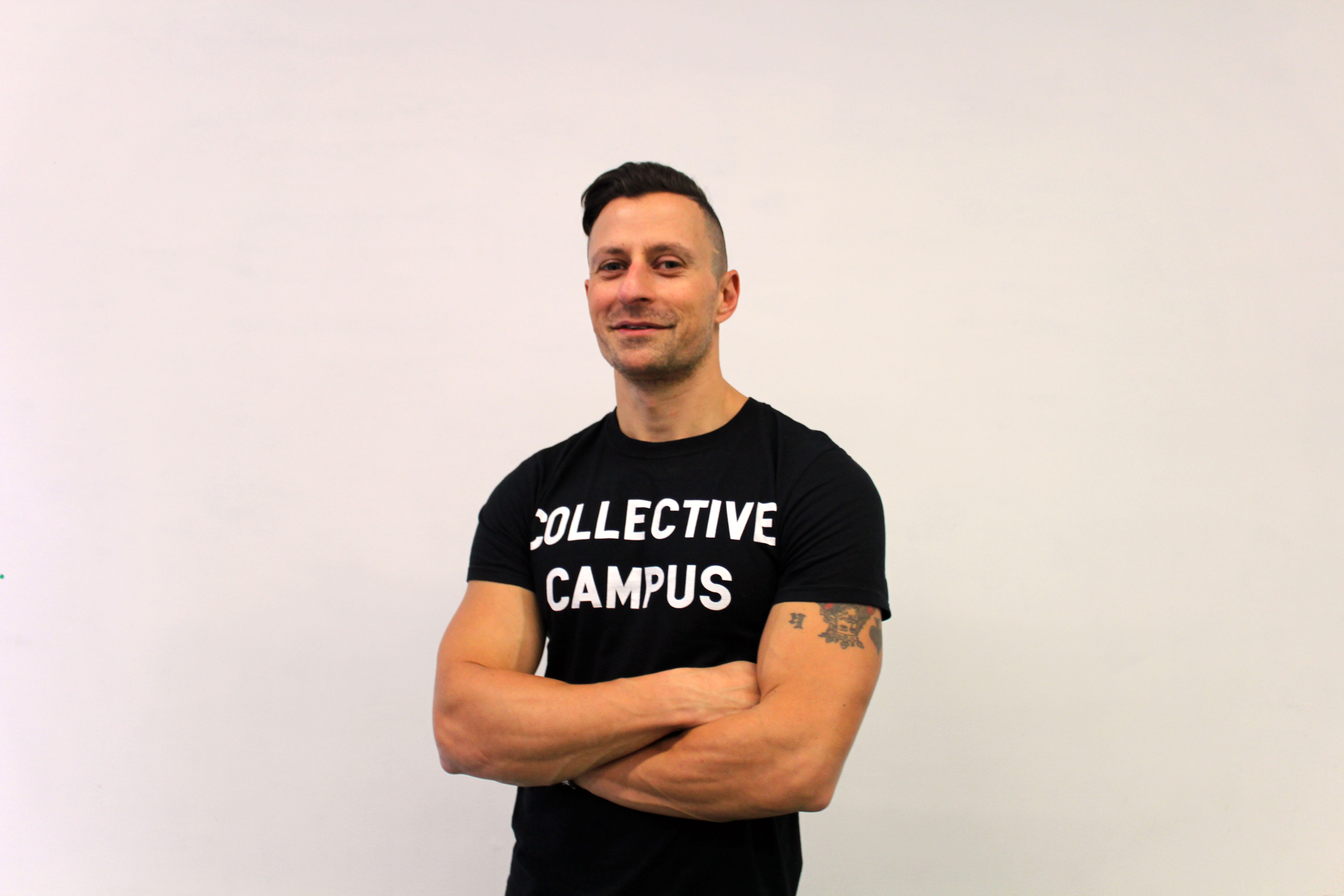
Facilitator
Steve Glaveski
Founder of Collective Campus, 2× Wiley author and HBR contributor who has helped 100+ organisations build the cultures where good ideas surface. Steve runs these sessions himself.
Proof
Built on Edmondson and Project Aristotle
Google studied 180 teams and found psychological safety was the strongest factor in how they performed. Amy Edmondson at Harvard defined it as a shared belief that the team is safe for interpersonal risk, and showed that it pays off when standards stay high. That pairing is the learning zone.
Amy Edmondson, Harvard
Psychological safety is a shared belief that the team is safe for interpersonal risk. High safety plus high standards is the learning zone.
Google, Project Aristotle
A study of 180 teams found psychological safety was the strongest factor in team effectiveness.
FAQ
Questions we get asked
Isn't this just about being nice?
No. Real safety comes with high standards, the learning zone. It is about candour and accountability, not comfort.
Should the whole team attend?
Ideally yes. Safety is a shared belief. It is built together, not by one person.
Do leaders need to be in the room?
Especially leaders. They set the tone, and the workshop gives them the moves to do it.
In person or remote?
Both. The remote version is built for real, open conversation.
Build a team where the best ideas actually get heard.
Tell us which team you want in the room. We will shape the day around how they work now.